
Air Compressor Machine
Our Products
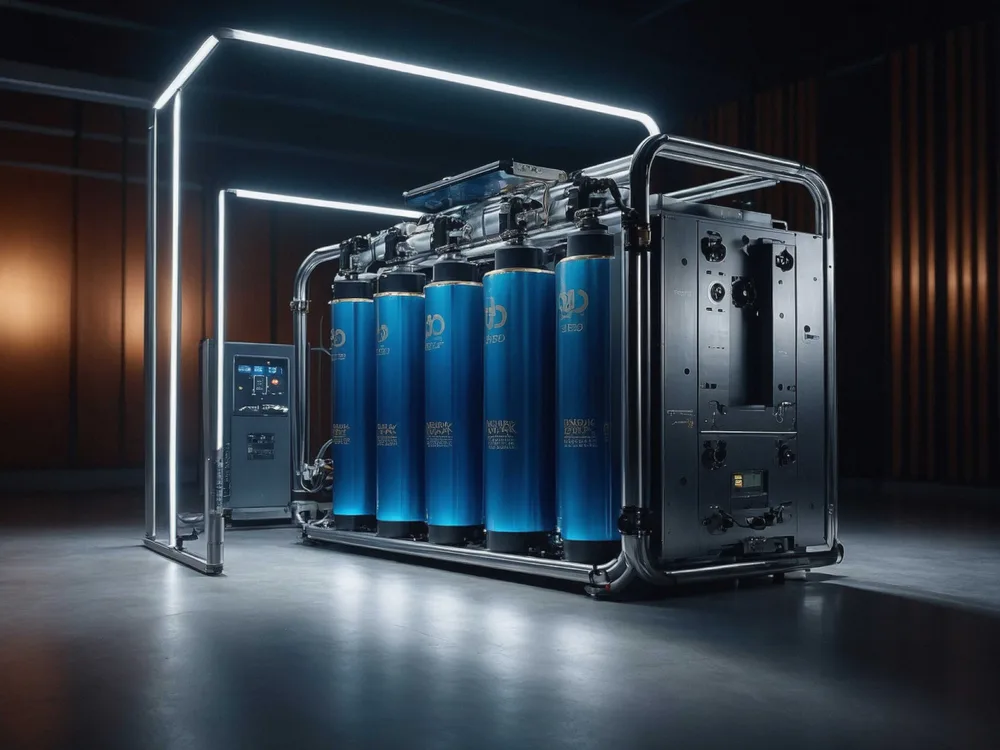
Air Compressor GA 37-90 VSD
We proudly presents the Atlas Copco GA 37–90 VSD, a high-performance…

Air Compressor GA 37-90 VSD
We proudly presents the Atlas Copco GA 37–90 VSD, a high-performance…

Air Compressor GA 37-90 VSD
We proudly presents the Atlas Copco GA 37–90 VSD, a high-performance…
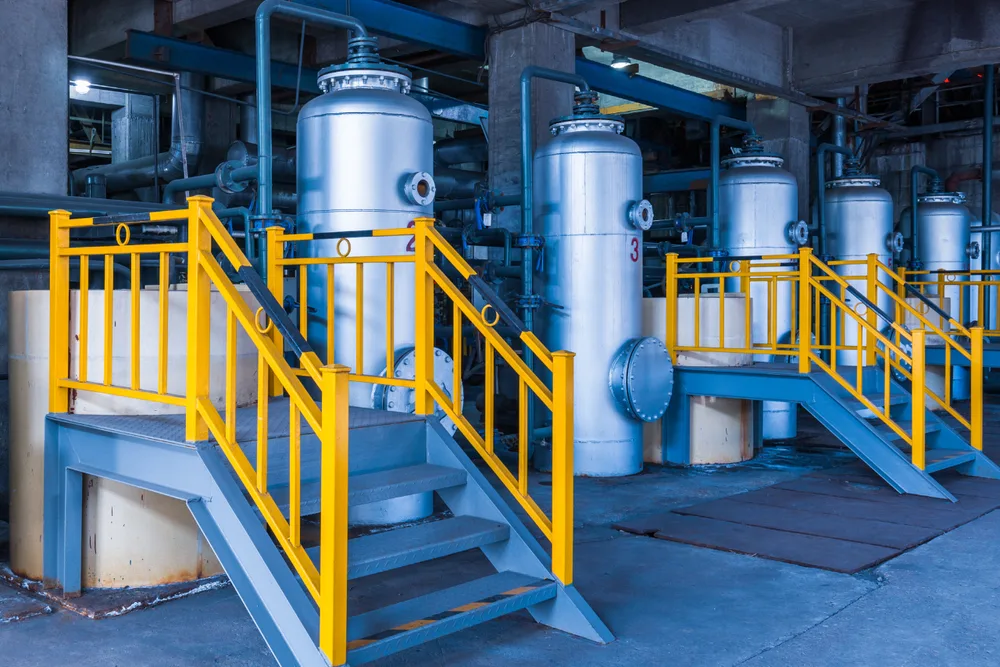
Air Compressor GA 37-90 VSD
We proudly presents the Atlas Copco GA 37–90 VSD, a high-performance…
Boost Efficiency with the Power of an Air Compressor Machine
Our air compressor machine is engineered to deliver unmatched performance and consistency. Designed for both industrial and commercial applications, this system ensures continuous air supply for tools, machinery, and equipment. Whether you’re in automotive, construction, or manufacturing, our air compressor machine keeps your operations running smoothly.
Experience Innovation with Our Advanced Air Compressor Machine?
Built with the latest technology, each air compressor machine offers high output, low noise, and minimal maintenance. The compact yet robust design ensures easy installation and long-lasting durability. Upgrade your workspace today with our premium air compressor machine and experience superior air power efficiency every single day.
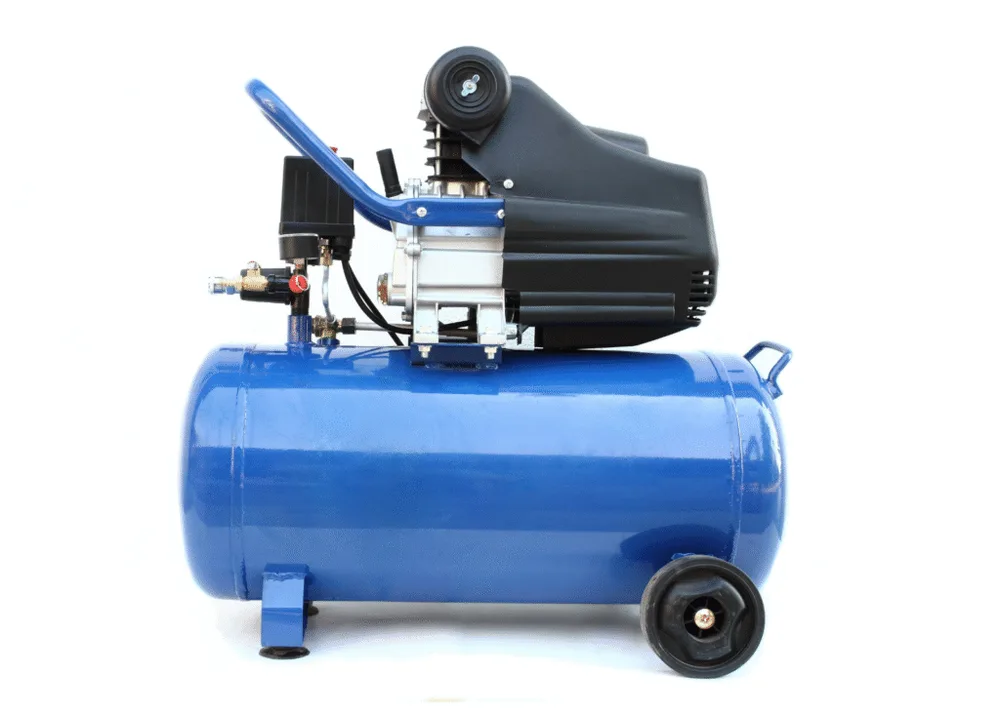
Reliable. Efficient. Built for Performance.
Our Products
We offer a specialized range of industrial energy solutions designed for long-term efficiency and performance. From advanced air compressor systems to intelligent leak management solutions, our products are engineered to meet the highest standards in reliability, safety, and sustainability across diverse industrial applications.


Trusted solution for polyolefins production
A S G Energy Solutions Pvt Ltd is redefining the...
Read More
Air & Gas Compressors for the Food and Beverage Industry
Air & Gas Compressors for the Food and Beverage Industry...
Read More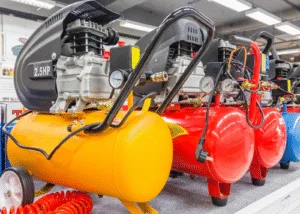
Gas compressors
Gas Compressors for Industrial Applications Versatile Solutions for Every Industry...
Read More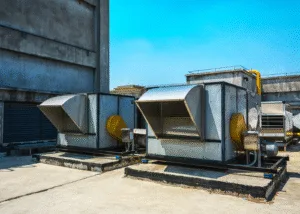
Air Receivers, Aftercoolers & Process Water Coolers
Air Receivers, Aftercoolers & Process Water Coolers Flexible Solutions for...
Read More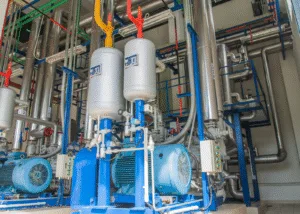
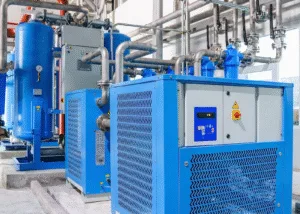
Compressed Air Dryers – Complete Range
Compressed Air Dryers – Complete Range Ensure your compressed air...
Read MoreAir Compressor Machine: The Ultimate Guide to Choosing, Buying & Maintaining Industrial Compressors in 2025
Investing in an air compressor machine represents one of the most critical decisions for any industrial operation, manufacturing facility, or professional workshop. With compressed air powering approximately 70% of manufacturing operations worldwide and accounting for up to 10% of industrial electricity consumption, selecting the wrong equipment can result in thousands of rupees in wasted energy costs, production downtime, and premature equipment failure.
The industrial air compressor market offers an overwhelming array of options—from compact single-stage reciprocating units for small workshops to massive rotary screw systems capable of continuous 24/7 operation. Making the wrong choice doesn’t just affect your bottom line; it can compromise product quality, workplace safety, and operational efficiency for years to come.
This comprehensive guide eliminates the guesswork from your air compressor purchase. You’ll discover exactly how to evaluate your compressed air requirements, identify reliable suppliers, avoid common purchasing pitfalls, and implement maintenance practices that extend equipment life by decades. Whether you’re buying your first compressor or upgrading an existing system, this framework ensures you make an informed decision that delivers lasting value.
By the end of this guide, you’ll understand the technical specifications that matter, recognize the warning signs of unreliable suppliers, and possess the knowledge to negotiate confidently with vendors. Let’s transform compressed air from a confusing commodity into a strategic advantage for your business.
The Crucial Questions: What to Ask Before Investing in an Air Compressor Machine
Before evaluating specific models or comparing prices, successful buyers focus on understanding their actual requirements and the credibility of potential suppliers. The questions you ask before purchasing determine whether your investment becomes a productivity asset or an expensive liability. This section provides the critical evaluation framework that separates informed buyers from those who learn expensive lessons the hard way.
Essential Credential Verification Steps:
- Manufacturing History and Track Record: Request documentation of the company’s manufacturing history. Established suppliers maintain comprehensive records of installations, including client references from similar industries. Companies with 10+ years of operation have weathered economic cycles and demonstrated sustained commitment to the market.
- ISO Certifications and Quality Standards: Look for ISO 9001 certification for quality management systems and ISO 14001 for environmental management. For oil-free compressors used in food, pharmaceutical, or electronics manufacturing, ISO 8573-1:2010 Class 0 certification is essential, confirming zero oil contamination in the compressed air output.
- Technical Support Infrastructure: Evaluate the supplier’s service network coverage in your region. Ask about average response times for emergency breakdowns, availability of trained technicians, and whether they maintain local spare parts inventory. A supplier with service centers within 50-100 km of your facility significantly reduces downtime risk.
- Genuine Spare Parts Availability: Confirm that the supplier stocks genuine OEM spare parts and consumables. Ask about typical lead times for common replacement items like air filters, oil filters, separator elements, and belts. Reliable suppliers maintain 90%+ availability of routine maintenance parts.
- Warranty Terms and Coverage: Standard warranties for quality industrial air compressors range from 1-2 years for the complete machine and up to 5 years for the compression element (airend). Be wary of suppliers offering only 6-month warranties or those with excessive exclusions that limit practical coverage.
Red Flag #1 – Vague Specifications and Documentation
- : Professional manufacturers provide detailed technical specifications including CFM (Cubic Feet per Minute) ratings at specific pressures, power consumption data, noise levels in decibels, and dimensional drawings. Suppliers who cannot provide precise specifications or offer only generic brochures often sell rebranded equipment with questionable quality control.
- Red Flag #2 – Prices Significantly Below Market: If a price seems too good to be true, it usually is. Quality industrial compressors use precision-machined components, premium motors, and robust construction that cost money to produce. Suspiciously low prices typically indicate inferior materials, inadequate quality testing, or counterfeit components that fail prematurely and void any theoretical warranty.
- Red Flag #3 – No Physical Presence or Showroom: Legitimate suppliers maintain physical facilities where customers can inspect equipment, meet technical staff, and verify business operations. Online-only sellers with no verifiable address, warehouse, or demonstration facility present significant risk. Always visit a supplier’s premises before major purchases.
- Red Flag #4 – Pressure Tactics and Limited-Time Offers: Reputable industrial equipment suppliers understand that significant capital investments require due diligence. Sales representatives who push immediate decisions, claim prices will increase tomorrow, or discourage you from getting competitive quotes are prioritizing their commission over your interests.
- Red Flag #5 – Reluctance to Provide References: Established suppliers proudly share references from satisfied customers, particularly from businesses in your industry with similar applications. If a supplier cannot provide at least 3-5 contactable references from the past 2 years, their customer satisfaction record likely doesn’t support such transparency.
Budget Breakdown: Understanding the True Cost of Air Compressor Machines
The purchase price represents only a fraction of your total investment in compressed air. Studies consistently show that energy costs account for 70-80% of total compressor ownership costs over a typical 10-year lifespan, with the initial purchase comprising only 10-15% and maintenance another 10-15%. Understanding this cost distribution transforms how smart buyers evaluate equipment options.
Current Market Pricing for Industrial Air Compressors in India (2025):
Compressor Type | HP Range | Price Range (₹) | Best For |
Single Stage Reciprocating | 2-5 HP | ₹25,000 – ₹65,000 | Small workshops, garages |
Two Stage Reciprocating | 5-15 HP | ₹65,000 – ₹1,50,000 | Medium manufacturing |
Rotary Screw (Oil-Injected) | 10-100 HP | ₹1,90,000 – ₹15,00,000+ | Heavy industry, continuous use |
Oil-Free Compressor | 5-15 HP | ₹1,00,000 – ₹3,50,000 | Food, pharma, electronics |
Additional Cost Factors to Budget For:
- Installation and Piping: ₹15,000 – ₹75,000+ depending on system complexity and facility layout
- Air Treatment Equipment: Refrigerated dryers (₹35,000-₹1,50,000), filters (₹5,000-₹25,000), moisture separators
- Air Receiver Tank: 100L-500L tanks range from ₹15,000-₹65,000 depending on capacity and pressure rating
- Annual Maintenance Contracts: Typically 3-8% of equipment value annually, covering routine service visits and consumables
The Definitive Guide to Selecting Your Air Compressor Machine
Selecting the optimal air compressor requires systematically matching your operational requirements to equipment capabilities. This section walks you through the professional methodology that ensures your investment delivers maximum value. Following this framework prevents the costly mistake of buying equipment that’s either undersized (causing production bottlenecks) or oversized (wasting capital and energy).
Step 1: Calculate Your Compressed Air Requirements
The foundation of proper compressor selection is accurately determining your air consumption needs. This involves cataloging all pneumatic equipment, understanding usage patterns, and building in appropriate safety margins.
Follow this systematic approach:
- Inventory All Air-Consuming Equipment: List every pneumatic tool, machine, and process that requires compressed air. Include spray guns, nail guns, impact wrenches, pneumatic cylinders, blow-off stations, automation equipment, and any other compressed air applications.
- Document CFM and PSI Requirements: Check manufacturer specifications for each piece of equipment. Most pneumatic tools operate at 70-100 PSI and consume between 2-15 CFM. Record both the CFM (airflow volume) and minimum operating pressure for each item.
- Determine Usage Factors: Not all equipment operates continuously. Assign a usage factor (duty cycle) to each item—for example, an impact wrench used 20% of working hours has a 0.20 usage factor. Multiply each tool’s CFM by its usage factor.
- Calculate Total CFM Demand: Sum all adjusted CFM values. This represents your baseline air consumption during normal operations.
- Apply Safety Margin: Add 25-30% to your calculated total to account for system leaks, future expansion, and peak demand periods. Industry best practice recommends sizing compressors to operate at 70-80% of maximum capacity during normal operations.
Critical Specification Guidelines:
- For tools requiring 90 PSI operating pressure, select a compressor rated at minimum 120-125 PSI to maintain consistent tool pressure as tank pressure drops during use cycles
- Always prioritize CFM capacity over tank size—a larger tank provides reserve air but cannot compensate for insufficient compressor output during sustained demand
Step 2: Choose the Right Compressor Type for Your Application
Different compressor technologies excel in different applications. Understanding these distinctions ensures you invest in equipment optimized for your specific operational demands.
Single Stage vs. Two Stage Air Compressors:
Factor | Single Stage Compressor | Two Stage Compressor |
Maximum Pressure | Up to 135-150 PSI | Up to 175-200 PSI |
Energy Efficiency | Lower efficiency at high pressures | 15-20% more efficient |
Operating Temperature | Runs hotter, more condensate | Runs cooler with intercooler |
Initial Cost | Lower purchase price | Higher purchase price |
Best Application | Intermittent use, smaller workshops | Industrial, heavy-duty, continuous |
Reciprocating vs. Rotary Screw Compressors:
Reciprocating (Piston) Compressors are ideal for applications with intermittent air demand. They’re economical for small workshops, automotive garages, and operations running less than 50-60% duty cycle. These compressors use pistons inside cylinders to compress air and are available in both single-stage and two-stage configurations.
Rotary Screw Compressors excel in continuous-duty industrial applications requiring 100% duty cycle operation. They use two interlocking helical screws to compress air and feature built-in cooling systems that enable 24/7 operation. While higher in initial cost, they deliver superior energy efficiency, longer service life, and lower maintenance requirements for high-demand applications.
Step 3: Plan for Installation, Maintenance, and Long-Term Operation
Successful compressor operation extends far beyond the initial purchase. Professional planning for installation environment, routine maintenance, and operational best practices determines whether your equipment delivers its full potential lifespan of 15-20+ years or requires premature replacement.
Installation Environment Requirements:
- Ventilation: Compressors generate significant heat and require adequate airflow for cooling. Install in well-ventilated areas with ambient temperatures below 40-45°C. Insufficient ventilation causes overheating, reduced efficiency, and accelerated component wear.
- Floor Space and Access: Allow minimum 1 meter clearance around the compressor for maintenance access and air circulation. Ensure floor can support equipment weight plus vibration loads.
- Electrical Supply: Verify your electrical infrastructure supports the compressor’s voltage and amperage requirements. Three-phase power is typically required for compressors above 5 HP. Consult a qualified electrician for proper circuit installation.
Essential Maintenance Practices:
- Daily Checks: Check oil levels (for oil-lubricated models), drain condensate from receiver tank, listen for unusual noises, and verify pressure gauge readings are within normal range.
- Weekly Maintenance: Clean or inspect air intake filters, check belt tension and condition, inspect all connections and fittings for leaks using soapy water solution.
- Monthly Service: Test safety valve operation, clean cooling fins, inspect electrical connections, check motor bearings for unusual vibration or heat.
- Scheduled Service Intervals: Replace air filters every 1,000-2,000 hours, change oil every 500-1,000 hours (or per manufacturer specification), replace oil filters every 1,000 hours, and schedule comprehensive professional servicing every 4,000-8,000 hours.
Why Expertise Matters: The Case for Choosing asgespl
After understanding the complexity of air compressor selection and the potential consequences of poor decisions, the value of partnering with a trusted, experienced supplier becomes clear. This is where asgespl distinguishes itself as the preferred choice for discerning industrial buyers.
The asgespl Advantage: Industry-Leading Quality and Support
asgespl has built its reputation on a fundamental principle: delivering exceptional air compressor solutions backed by uncompromising customer support. Our comprehensive product range includes single-stage and two-stage reciprocating compressors, industrial rotary screw systems, oil-free compressors for sensitive applications, and complete compressed air treatment solutions.
- Premium Quality Equipment: We partner exclusively with manufacturers meeting rigorous quality standards. Every compressor in our inventory undergoes comprehensive testing before delivery, ensuring you receive equipment ready for immediate, reliable operation.
- Expert Technical Consultation: Our team includes experienced engineers who analyze your specific application requirements and recommend optimally-sized solutions. We don’t oversell—we match equipment to actual needs, maximizing your return on investment.
- Comprehensive Product Range: From compact workshop compressors to industrial-scale rotary screw systems, our extensive inventory ensures you find exactly the right solution without compromising on specifications or settling for ‘close enough’ alternatives.
Commitment to Quality: Beyond the Sale
At asgespl, we understand that purchasing a compressor is just the beginning of your compressed air journey. Our commitment extends throughout the equipment’s operational life, ensuring you achieve maximum productivity and minimum downtime.
- Professional Installation Support: Our technical team provides installation guidance and supervision to ensure your compressor operates optimally from day one. Proper installation prevents premature failures and maximizes energy efficiency.
- Genuine Spare Parts Inventory: We maintain comprehensive stock of genuine OEM parts for all equipment we supply. When maintenance needs arise, you receive authentic components with rapid delivery—not aftermarket substitutes that compromise performance and longevity.
- Responsive Service Network: Equipment breakdowns don’t wait for convenient timing. Our service team provides responsive support to minimize production disruptions, with trained technicians equipped to diagnose and resolve issues efficiently.
Why Choose asgespl: Our Proven Process and Results
Choosing asgespl means partnering with a supplier who treats your success as our success. Our systematic approach to customer service includes:
- Detailed Needs Assessment: Before recommending any equipment, we conduct thorough analysis of your air consumption requirements, operational patterns, facility constraints, and growth projections.
- Transparent Pricing: Our quotations include complete cost breakdowns with no hidden charges. You know exactly what you’re paying for and can make informed comparisons with confidence.
- Comprehensive Warranty Coverage: Our warranty terms protect your investment with clear, fair conditions that demonstrate our confidence in equipment quality and our commitment to standing behind every sale.
- Long-Term Partnership Approach: We build relationships, not just transactions. Many of our customers have worked with us for years, returning for additional equipment and referring colleagues—the ultimate validation of customer satisfaction.
Frequently Asked Questions About Air Compressor Machines
Our customers frequently ask detailed questions that go beyond basic specifications. These comprehensive answers address the practical concerns that influence real-world purchasing decisions.
Q: What is the difference between CFM and PSI, and which specification matters more when buying an air compressor?
CFM (Cubic Feet per Minute) measures the volume of air a compressor delivers, while PSI (Pounds per Square Inch) measures the pressure. For most applications, CFM is the more critical specification because it determines whether the compressor can sustain your air tools during continuous operation. A compressor with high PSI but inadequate CFM will drop pressure rapidly during use, causing tools to underperform. Always ensure CFM capacity exceeds your calculated demand by at least 25-30%.
Q: How do I determine the right tank size for my air compressor, and does a larger tank mean better performance?
Tank size provides air reserve, not sustained capacity. A larger tank allows more time between compressor cycles and handles brief high-demand periods better, but cannot compensate for an undersized pump. For intermittent tool use, larger tanks (100L+) reduce cycling frequency and motor wear. For continuous-demand applications, prioritize CFM output over tank size. As a general guideline, workshops using multiple air tools benefit from 100-200L tanks, while single-tool applications can work with 50-100L capacity.
Q: What are the key maintenance requirements for industrial air compressors, and how often should service be performed?
Industrial compressors require systematic maintenance on daily, weekly, monthly, and scheduled intervals. Daily tasks include draining condensate and checking oil levels. Weekly maintenance covers filter inspection and leak detection. Monthly service includes safety valve testing and cooling system cleaning. Professional servicing every 4,000-8,000 hours addresses oil changes, filter replacements, and comprehensive component inspection. Following manufacturer schedules extends equipment life from typical 10 years to 15-20+ years.
Q: Should I choose an oil-lubricated or oil-free air compressor for my manufacturing facility?
The choice depends on your air purity requirements. Oil-lubricated compressors offer lower purchase costs, better efficiency, and longer component life—ideal for general manufacturing, automotive, and construction applications. Oil-free compressors are essential for industries where air contamination is unacceptable: food processing, pharmaceutical manufacturing, electronics assembly, and medical applications. Oil-free units have higher initial costs and potentially shorter maintenance intervals but eliminate contamination risk in sensitive processes.
Q: What electrical requirements should I verify before purchasing an industrial air compressor?
Industrial compressors above 5 HP typically require three-phase power, while smaller units may operate on single-phase. Verify your facility’s available voltage (common industrial voltages include 380V, 415V, and 440V three-phase in India) and ensure adequate amperage capacity. Motor starting current (inrush) can be 6-8 times running current, requiring appropriately sized circuit breakers and wiring. Always consult a qualified electrician before installation and confirm voltage compatibility with the compressor manufacturer.
Q: How much energy does an air compressor consume, and what factors affect operating costs?
Energy consumption typically represents 70-80% of total compressor ownership costs. A 10 HP compressor operating 8 hours daily can consume ₹8,000-₹15,000+ in electricity monthly, depending on local rates and efficiency. Key factors affecting costs include compressor efficiency rating, operating pressure (lower is more efficient), system leaks (10-30% loss is common in poorly maintained systems), and part-load efficiency. Variable Speed Drive (VSD) compressors offer 15-35% energy savings in applications with fluctuating demand.
Q: What causes air compressors to overheat, and how can I prevent this problem?
Overheating results from inadequate ventilation, dirty cooling fins, low oil levels (in oil-lubricated models), clogged air filters, or exceeding duty cycle limits. Prevention requires installing compressors in well-ventilated areas with ambient temperatures below 40°C, maintaining clean cooling systems, following oil level and filter maintenance schedules, and ensuring the compressor isn’t oversized for intermittent operation (which causes frequent cycling and heat buildup).
Q: Is it worth investing in air treatment equipment like dryers and filters, or is the compressor output sufficient for most applications?
Untreated compressed air contains moisture, oil carryover (in oil-lubricated systems), and particulates that damage pneumatic tools, corrode piping, and contaminate processes. Refrigerated dryers remove moisture and cost ₹35,000-₹1,50,000 depending on capacity—typically recovering their cost through extended tool life and reduced maintenance within 1-2 years. Inline filters remove particulates and residual oil. For critical applications, air treatment isn’t optional—it’s essential for equipment protection and product quality.
Q: What warranty should I expect when buying an industrial air compressor, and what does it typically cover?
Quality industrial compressors typically include 1-2 year comprehensive warranties covering manufacturing defects in components and workmanship. Premium manufacturers often provide extended warranties of up to 5 years on compression elements (airends). Warranties typically exclude normal wear items (filters, belts, gaskets), damage from improper installation or maintenance, and failures caused by operating outside specified parameters. Always review warranty terms before purchase and document your maintenance activities to support potential claims.
Q: Can I buy an air compressor online, and what precautions should I take when purchasing industrial equipment remotely?
Buying industrial air compressors online is increasingly common but requires due diligence. Verify the seller’s physical business presence and contact information. Request detailed technical specifications and documentation. Confirm warranty terms apply to your region and clarify service and spare parts availability. Read customer reviews and ask for references. For significant purchases, visiting the supplier’s facility before ordering provides valuable assurance. Reputable online sellers like asgespl maintain transparent pricing, comprehensive product information, and responsive customer support.
Conclusion: Make Your Air Compressor Investment Count
Selecting the right air compressor machine demands careful analysis of your operational requirements, thorough evaluation of supplier credentials, and strategic planning for long-term ownership costs. The equipment you choose today will impact your productivity, energy costs, and maintenance burden for the next decade or more.
Throughout this guide, you’ve gained the knowledge to calculate your compressed air requirements accurately, distinguish between compressor technologies, identify trustworthy suppliers, and recognize warning signs of unreliable equipment or vendors. This framework transforms what could be an overwhelming decision into a systematic process with predictable, positive outcomes.
The complexity of air compressor selection underscores the value of working with experienced partners who prioritize your success. At asgespl, we combine comprehensive product expertise with genuine commitment to customer satisfaction. Our team stands ready to analyze your requirements, recommend optimal solutions, and support your compressed air investment throughout its operational life.
Don’t leave your compressed air performance to chance. Contact asgespl today for expert consultation and competitive quotes on industrial air compressor machines that deliver lasting value. Whether you’re establishing a new facility, upgrading existing equipment, or expanding operations, our team ensures you make an informed decision backed by quality products and responsive support.
Contact Us Today
Looking for reliable industrial energy solutions? Reach out to ASG Energy Solutions Pvt. Ltd. for expert guidance, tailored project support, and top-quality products that drive performance and efficiency. Whether you need advanced air compressors, leak detection systems, or custom maintenance services, our team is ready to assist you. We prioritize your business needs with fast response times, professional service, and long-term support. Get in touch today and discover how we can power your operations with confidence.